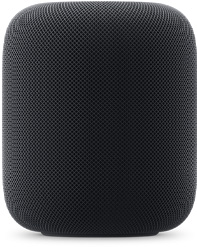
Maximizing Your HomePod: Tips for a Seamless Smart Home Integration
Integrating your HomePod into your smart home ecosystem can significantly enhance your daily routines and overall convenience. To maximize the benefits of your HomePod, start by ensuring it is connected to your home Wi-Fi network and linked with your Apple ID. This allows you to access features like HomeKit compatible devices seamlessly. Consider setting up Scene controls, which let you automate various smart devices with a single command. For instance, you can create a Good Night scene that turns off the lights, adjusts the thermostat, and locks the doors, all triggered by your voice.
Another key tip is to leverage Siri’s capabilities beyond music playback. By integrating smart home appliances such as lights, thermostats, and security cameras, you can ask your HomePod to control these devices hands-free. Additionally, explore third-party applications that can enhance your experience. For a more personalized touch, utilize the HomePod’s ability to recognize different voices, allowing it to tailor responses and suggestions based on who is speaking. By following these strategies, you can create a more cohesive and integrated smart home experience that maximizes your HomePod's potential.
Counter-Strike is a popular first-person shooter that has captivated gamers around the world with its fast-paced action and tactical gameplay. Players can engage in team-based battles where they take on the roles of terrorists and counter-terrorists. In addition to the thrilling gameplay, players often enhance their gaming setups with various accessories. For those looking to improve their audio experience, check out the Top 10 homepod mini accessories that can elevate your gaming sessions.
Top 10 Features of HomePod That Elevate Your Smart Home Experience
The HomePod is more than just a smart speaker; it's a powerful hub that can transform your living space into a cohesive smart home. One of its standout features is the multi-room audio capability, allowing you to synchronize music across multiple HomePods throughout your home. This means you can enjoy a seamless listening experience in every room, setting the mood for gatherings or simply enhancing your daily routine with your favorite tunes. Additionally, the HomePod's Siri integration elevates its functionality, enabling users to control smart home devices, set timers, and request information just by using their voice.
Another remarkable feature of the HomePod is its spatial awareness. It intelligently detects its location within a room and adjusts the audio output accordingly for optimal sound quality. This ensures that wherever you are in your home, you're hearing the best possible sound. Furthermore, the HomePod supports a wide range of smart home standards, allowing for compatibility with numerous devices such as lights, thermostats, and security systems. Coupled with its aesthetic design, the HomePod seamlessly blends into your home while providing powerful features that enhance your smart home experience.
How to Troubleshoot Common HomePod Issues in Your Smart Home Setup
Setting up a Smart Home can greatly enhance your daily living experience, but sometimes devices like the HomePod may encounter issues. To effectively troubleshoot common HomePod issues, start by ensuring that your HomePod is connected to the correct Wi-Fi network and that your iPhone or iPad is running the latest version of iOS. If you experience problems with Siri not responding or music playback stuttering, try restarting your HomePod. Simply unplug it, wait for a few seconds, and then plug it back in. This simple reset often resolves connectivity issues and refreshes the device's performance.
Another effective method to troubleshoot HomePod issues is to check the software version. Open the Home app on your iPhone or iPad, tap on the HomePod icon, and navigate to the settings. If an update is available, it’s crucial to install it, as updates can fix bugs and enhance overall functionality. Additionally, experimenting with your HomePod’s location may resolve sound quality issues. Ensure that there are no obstacles blocking the device and that it's placed on a stable surface to avoid vibrations. By following these steps, you’ll likely restore your HomePod functionality and enjoy its full capabilities in your Smart Home setup.