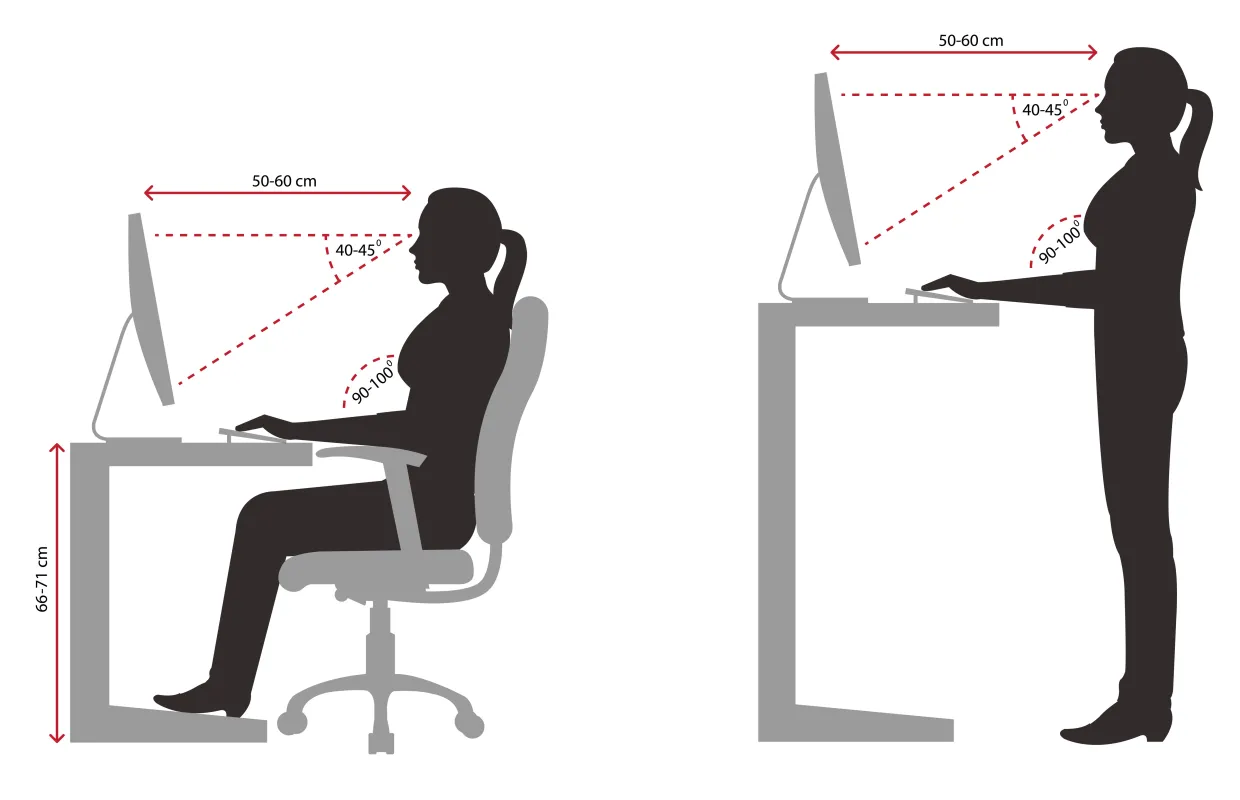
5 Essential Tips for Creating an Ergonomic Workstation
Creating an ergonomic workstation is essential for maintaining comfort and productivity throughout your workday. Here are five essential tips to help you design an effective work environment:
- Adjust Your Chair: Ensure your chair supports your lower back, and adjust the height so your feet are flat on the floor.
- Monitor Position: Your monitor should be at eye level to avoid neck strain. Ideally, it should be about an arm's length away.
- Keyboard and Mouse Placement: Keep your keyboard and mouse close, ideally at elbow height, to minimize the strain on your wrists.
- Lighting: Use appropriate lighting to reduce glare on your screen and to minimize eye strain.
- Take Breaks: Schedule regular breaks to stand, stretch, and move around. This can help improve circulation and reduce fatigue.
Implementing these essential tips can greatly improve your overall well-being while working. Remember, an ergonomic workstation is not just about comfort; it also boosts productivity and reduces the risk of injuries. By making mindful adjustments to your workspace, you set yourself up for a healthier, happier work life. Don't underestimate the power of a well-designed workstation!
Counter-Strike is a popular multiplayer first-person shooter game that has been influential in the gaming community since its release. Players compete in teams, taking on roles either as terrorists or counter-terrorists, with the objective of completing mission objectives or eliminating the opposing team. For gamers looking to enhance their mobile gaming experience, check out the Top 10 iphone adjustable stands that offer great versatility and comfort.
Common Mistakes to Avoid When Setting Up an Ergonomic Office
Setting up an ergonomic office is crucial for maintaining productivity and comfort, yet many people make common mistakes that can lead to discomfort and health issues. One of the common mistakes to avoid is neglecting the importance of chair height. A chair that is too high or low can strain your back and neck. Ensure that your feet are flat on the floor, and your knees are at a 90-degree angle. Additionally, failing to adjust the monitor to eye level can cause neck strain and headaches. Your monitor should be about an arm's length away with the top of the screen at or just below eye level.
Another frequent error is overlooking the significance of breaks. Many individuals underestimate the value of taking regular breaks to stand, stretch or change positions. Incorporating a structured break system into your work routine can significantly reduce the risk of discomfort and increase overall productivity. To reinforce this habit, consider using a timer or productivity app to remind you to take ergonomic breaks every hour. By avoiding these pitfalls, you can create a workspace that supports your health and enhances your comfort throughout the workday.
How Does Ergonomics Impact Your Productivity and Well-Being?
Ergonomics significantly impacts both productivity and well-being in the workplace. When workspaces are designed with ergonomic principles in mind, employees can perform tasks more efficiently and comfortably. Proper chair height, desk arrangement, and monitor positioning can reduce physical strain, allowing for greater focus on tasks without the distraction of discomfort. According to various studies, companies that prioritize ergonomic design see a noticeable decrease in absenteeism due to musculoskeletal disorders, which directly correlates with enhanced overall productivity.
Moreover, incorporating ergonomic practices into daily routines can lead to improved mental health and job satisfaction. When individuals work in environments that promote proper posture and movement, they are less likely to experience fatigue and stress, which often hinder performance. Simple adjustments, such as using an ergonomic keyboard or taking regular breaks to stretch, can foster a more positive work atmosphere. In essence, the investment in ergonomics not only benefits employees physically but also enhances their emotional well-being, ultimately creating a healthier, more productive workplace.