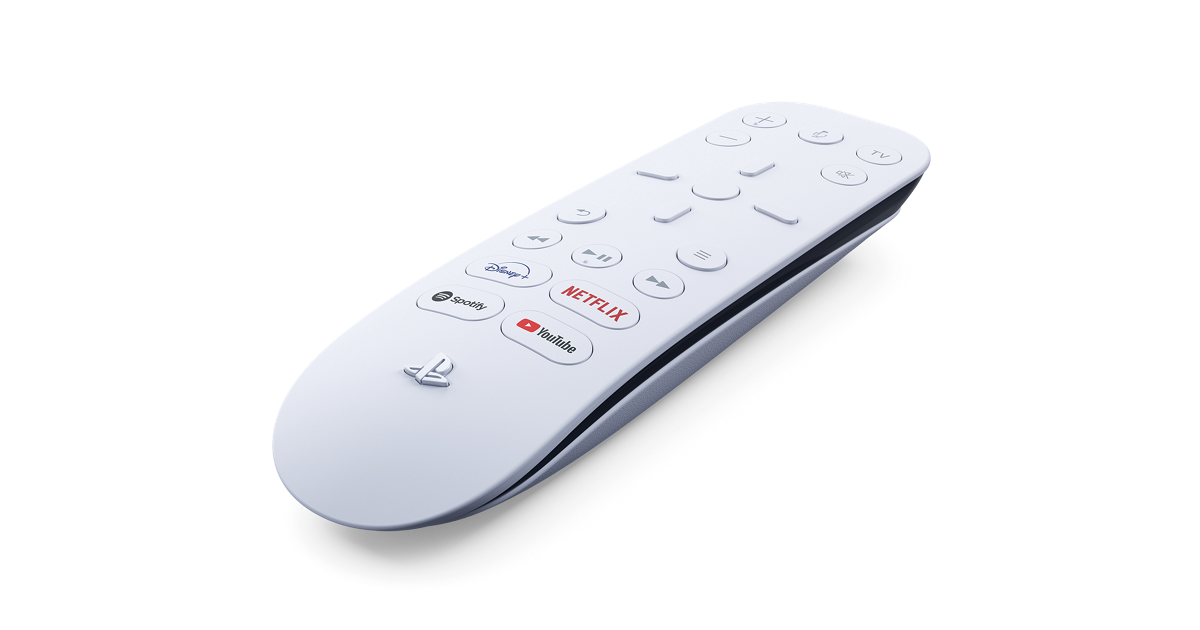
Exploring the Benefits of Remote Control Technology in Everyday Life
Remote control technology has revolutionized the way we interact with devices in our everyday lives. From the television remotes that allow us to change channels at the click of a button to the smart home devices that can be controlled from miles away, the benefits of this technology are vast. Imagine being able to adjust the thermostat, turn on lights, or even check on security cameras all from the convenience of your smartphone. This level of control not only enhances comfort but also improves energy efficiency, allowing users to reduce their carbon footprint while maximizing convenience.
Moreover, remote control technology has become increasingly important in fostering connectivity and accessibility. For individuals with mobility challenges, the ability to operate devices remotely can significantly enhance their independence and convenience. Numerous smart home devices now include features designed specifically for accessibility, making daily tasks simpler. Furthermore, as the Internet of Things (IoT) continues to expand, we can expect even more innovative applications of remote control technology in sectors like healthcare, where remote monitoring and telehealth services provide critical support and oversight to those in need.
Counter-Strike is a popular online tactical first-person shooter game that pits teams of terrorists against counter-terrorists in various missions. Players must work together to complete objectives, such as bomb defusal or hostage rescue, while honing their skills with a range of weapons. For those looking to enhance their productivity while gaming or working remotely, check out the Top 10 iPad Accessories for Remote Work to find useful tools.
How Remote Control Innovations are Shaping Our Future
As technology continues to evolve at a rapid pace, remote control innovations are playing a pivotal role in shaping our day-to-day lives. No longer confined to just televisions or entertainment systems, remote controls have evolved into sophisticated devices that enable us to interact with a multitude of smart devices. From home automation systems that allow users to control lighting, security, and climate with the touch of a button, to advanced drones and robotic machines, the integration of remote control technology is transforming our homes and workplaces into interconnected ecosystems.
The future of remote control innovations is also marked by the rise of artificial intelligence and machine learning. These advancements enable remote controls to learn user preferences and habits, thereby providing personalized experiences. For instance, smart remotes can suggest the best settings for your home theater based on your past viewing habits or adjust the thermostat automatically when you arrive home. As we continue to embrace innovation, the landscape of remote control technology promises to grow even more dynamic, making our environments more intuitive and responsive to our needs.
What Are the Best Remote Tools to Simplify Your Daily Tasks?
In today's digital landscape, having the right tools can dramatically enhance productivity and simplify daily tasks, especially for remote teams. Remote tools streamline communication, project management, and collaboration. Some of the best options include:
- Slack - A robust messaging platform that allows for real-time communication and integration with various apps.
- Trello - A visual project management tool that helps organize tasks through boards and lists.
- Zoom - Essential for video conferencing, allowing teams to connect face-to-face from anywhere.
- Asana - A task management platform designed to help teams plan, organize, and track work.
Utilizing these remote tools not only keeps everyone aligned but also ensures that no tasks fall through the cracks. Additionally, tools like Google Drive and Dropbox offer secure cloud storage solutions that make file sharing seamless. As remote work becomes increasingly common, adopting these technological solutions can free up valuable time and result in a more efficient workflow. To maximize performance, consider evaluating your team's specific needs and choosing tools that align with your objectives.