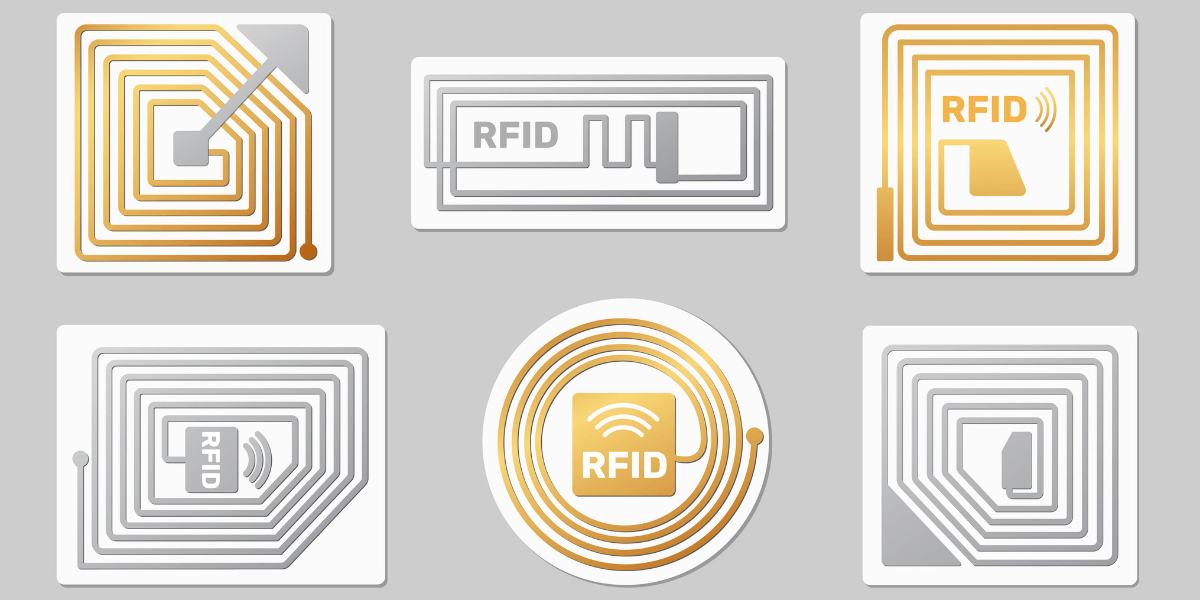
What is RFID and How Does It Work?
RFID, or Radio Frequency Identification, is a technology that utilizes electromagnetic fields to automatically identify and track tags attached to objects. An RFID system consists of three key components: tags, readers, and software. RFID tags, which can be passive, active, or semi-active, contain a microchip and an antenna that communicate the tag's identification data to an RFID reader. The reader then sends this information to a software system for processing and integration, enabling businesses and organizations to streamline operations, reduce errors, and improve inventory management.
The process of how RFID works is quite straightforward. When the RFID reader emits a radio frequency signal, it energizes the nearby RFID tags. Once a tag receives this signal, it transmits its unique identifier back to the reader. This data exchange occurs within seconds, allowing for real-time tracking and management of assets. This technology is widely used in various industries, including retail, logistics, and healthcare, to enhance visibility and control over products and assets.
Counter-Strike is a tactical first-person shooter game that has become a staple in the competitive gaming community. Players engage in team-based matches where one team attempts to plant a bomb or rescue hostages while the other team tries to prevent these objectives. For those looking to enhance their gaming setup, check out the Top 10 magsafe wallets that can help keep your essentials organized as you dive into intense matches.
The Benefits of RFID Technology in Everyday Life
Radio Frequency Identification (RFID) technology has become an integral part of our everyday lives, enhancing efficiency and convenience in numerous sectors. From retail to healthcare, RFID allows for real-time tracking of products and assets, thereby streamlining operations. For instance, in the retail industry, stores utilize RFID tags to monitor inventory levels automatically, reducing the risk of stockouts and overstock situations. This automation not only helps businesses save time but also improves customer satisfaction by ensuring that popular items are readily available.
Beyond retail, RFID technology is making waves in personal convenience as well. Many modern wallets and credit cards are embedded with RFID chips to facilitate quick and secure transactions. Additionally, everyday items like luggage and pets can be fitted with RFID tags for tracking purposes, alleviating concerns about loss or theft. This innovative technology not only enhances security but also provides peace of mind, simplifying our lives in profound ways. As RFID continues to evolve, its applications are likely to expand even further, making our world more interconnected and efficient.
How RFID is Transforming Supply Chain Management
RFID (Radio Frequency Identification) technology is revolutionizing the way supply chain management operates. By enabling real-time tracking of goods, RFID systems eliminate manual inventory processes, significantly reducing human error and increasing operational efficiency. Companies can now utilize RFID tags to monitor the movement of products from the manufacturing floor to the warehouse and finally to retail distribution. This streamlined visibility allows for better demand forecasting and helps businesses respond promptly to fluctuations in market needs.
In addition to enhancing visibility, RFID technology also plays a crucial role in minimizing losses. With a connected network of RFID sensors, organizations can access crucial data insights that assist in identifying bottlenecks within the supply chain. According to industry experts, companies implementing RFID experience a reduction in out-of-stock items by up to 30%, leading to increased sales and customer satisfaction. As a result, businesses are not only saving costs but also fostering stronger relationships with their customers.