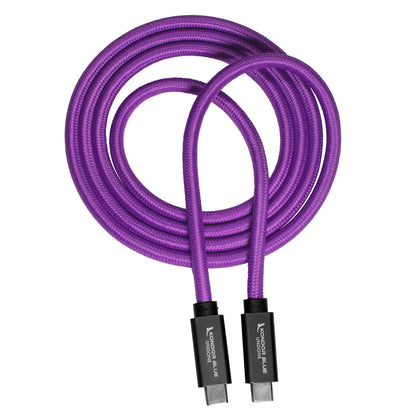
The Backbone of Connectivity: Understanding the Importance of Long Cables
The world today is interconnected like never before, and at the center of this connectivity lies a vital component: long cables. These cables play a crucial role in facilitating seamless communication and data transfer, whether it's through the internet, telephone lines, or electronic devices. Long cables, such as fiber optics and Ethernet cables, ensure that information travels swiftly and securely over considerable distances. This allows both businesses and individuals to maintain efficient operations and stay connected with real-time updates. In an era where speed and reliability are paramount, understanding the importance of these cables is essential for anyone looking to optimize their connectivity.
Moreover, the advantages of using long cables extend beyond mere connectivity. They also provide flexibility and scalability in network design. For organizations looking to expand their infrastructure, long cables enable easy relocation of devices without the need for extensive rewiring. This adaptability is particularly beneficial in dynamic environments, where the demand for connectivity can fluctuate rapidly. In summary, investing in high-quality long cables is not just about enhancing current capabilities; it's about preparing for future technological advancements and ensuring that your network can grow with your needs.
Counter-Strike is a highly popular first-person shooter game that pits teams of terrorists against counter-terrorists in various mission-based scenarios. Players can choose from a variety of weapons and strategies to complete objectives such as planting bombs or rescuing hostages. For players looking to enhance their gaming experience, it's essential to have reliable accessories, like the Top 10 iphone charging cables, which ensure your devices are always powered up during intense gaming sessions.
Long Cables vs. Short Cables: Which is Right for Your Setup?
When it comes to choosing the right cable length for your setup, understanding the differences between long cables and short cables is essential. Long cables offer the advantage of flexibility, allowing you to position devices further apart without compromising connectivity. This is particularly beneficial in larger spaces or when you need to connect devices across a room. However, it's important to note that long cables can sometimes introduce signal degradation, especially if the cable quality is low. Therefore, investing in high-quality long cables is crucial to ensure optimal performance.
On the other hand, short cables are ideal for setups in compact spaces, providing a tidy and clutter-free environment. They minimize the risk of tangling and are generally easier to manage. Additionally, short cables help maintain a stronger, more stable signal since the distance between devices is reduced. That said, if your devices are far apart, you'll likely need long cables to ensure everything functions properly. Ultimately, the right choice depends on your specific setup and requirements, balancing flexibility and practicality to suit your needs.
Unlocking the Potential: How Long Cables Enhance Network Performance
In today's interconnected world, the performance of a network is crucial for both individual users and businesses alike. One of the often-overlooked factors that can significantly influence this performance is the length of cables used in networking setups. Long cables, when implemented correctly, can enhance network performance by minimizing the effects of electromagnetic interference and ensuring a reliable connection over greater distances. This is particularly important in environments where data transmission is frequent and the risk of signal degradation is high.
Furthermore, long cables allow for greater flexibility in network design. By eliminating the constraints of short cabling, organizations can strategically place devices for optimal coverage, thereby improving connectivity and reducing latency. It's essential to choose the right type of cable, as not all long cables are equal in terms of performance. For instance, using high-quality Ethernet cables can ensure that even at extended lengths, the network maintains its speed and reliability. Ultimately, leveraging long cables provides a pathway for unlocking the potential of your network's performance.