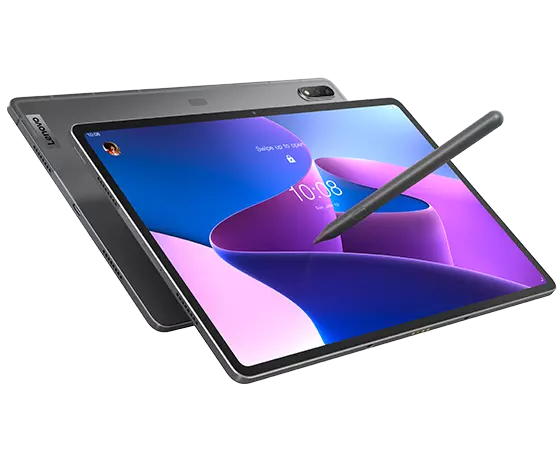
5 Reasons Why Tablets Are Essential for Modern Productivity
In today's fast-paced digital landscape, tablets have become indispensable tools for enhancing productivity. One of the primary reasons for this is their portability. Unlike traditional laptops, tablets are lightweight and easy to carry, allowing professionals to work from anywhere. Whether you're in a coffee shop, on a train, or at a client meeting, having a device that combines the functionality of a computer with the convenience of a smartphone can significantly streamline your workflow.
Another important factor is the versatility of tablets. They support a range of applications designed to boost efficiency, from note-taking apps like Evernote to project management tools such as Trello. This flexibility makes it easier to stay organized and tackle tasks on the go. Additionally, tablets often come equipped with touchscreens that simplify navigation, making it easier to multitask and switch between various functions seamlessly.
Counter-Strike is a popular first-person shooter game that pits teams of terrorists against counter-terrorists in a variety of objective-based gameplay modes. With its competitive nature and strategy-oriented mechanics, many players are drawn to the game for its thrilling matches. For those interested in gaming accessories, check out the Top 10 Universal Tablet Cases to enhance your gaming experience.
How Tablets Enhance Remote Work: Features You Didn't Know About
In the evolving landscape of remote work, tablets have emerged as versatile tools that can significantly boost productivity and efficiency. Their portability allows professionals to work from anywhere, transforming any location into an office. In addition to being lightweight and easy to carry, tablets come equipped with robust features that enhance the remote working experience. For instance, many tablets now offer stylus support, enabling seamless note-taking and sketching during virtual meetings. This not only aids in brainstorming sessions but also provides a creative outlet for visual thinkers.
Another feature that may not be widely recognized is the multitasking capability of modern tablets. With split-screen functionality, users can simultaneously work on documents while browsing the web or participating in video calls, streamlining workflows like never before. Furthermore, many of these devices support a wide range of productivity apps, including project management tools and cloud-based services, allowing for easy collaboration with team members regardless of their physical location. As remote work continues to become the norm, the integration of these advanced features into tablets marks a significant leap forward in creating a flexible and efficient work environment.
Are Tablets the Future of Work? Debunking Myths and Exploring Benefits
The debate on whether tablets are the future of work has gained momentum, especially as organizations shift toward more mobile and flexible work environments. Many myths surround the capabilities of tablets, with skeptics claiming they lack the necessary power and functionality for serious productivity. However, recent advancements in tablet technology, such as improved processing power and the availability of robust software applications, have started to debunk these myths. In fact, studies indicate that a significant number of professionals are increasingly using tablets for tasks like project management, collaboration, and communication, fundamentally altering how work is conducted in various industries.
Aside from breaking down misconceptions, the benefits of integrating tablets into the workplace are numerous. Firstly, their portability allows employees to work from virtually anywhere, enhancing flexibility and promoting a better work-life balance. Tablets are also designed with user-friendly interfaces, enabling a smoother onboarding experience for new employees. Furthermore, by leveraging cloud-based solutions, teams can collaborate in real-time, fostering innovation and responsiveness. Ultimately, as remote work becomes more commonplace, the adaptability and convenience of tablets may well position them as vital tools for the future of work.