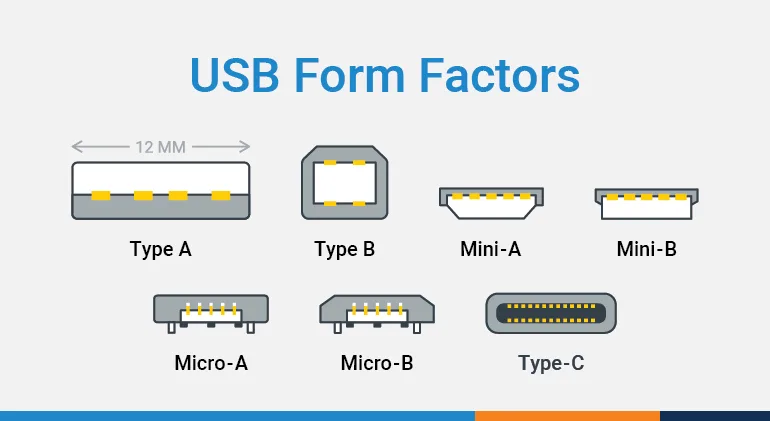
Understanding USB-C: How It Revolutionizes Connectivity
USB-C has emerged as a transformative technology that redefines how we connect our devices. Unlike its predecessors, USB-C is not only reversible—allowing users to plug in connectors in either direction—but it also supports a wide array of functionalities beyond simple data transfer. With capabilities like Power Delivery and video output, USB-C is ideal for modern devices such as laptops, smartphones, and tablets. This versatility makes it a game-changer in the world of connectivity, consolidating multiple cables and ports into a single, sleek solution.
Moreover, the adoption of USB-C by major tech companies has accelerated its presence in the market, leading to increased compatibility across a range of devices. New standards, including USB 3.2 and USB4, enhance speed and efficiency, enabling data transfer rates of up to 40 Gbps. As we move towards a more unified technological landscape, understanding USB-C is essential not just for consumers but for anyone yearning to stay ahead in the fast-paced world of electronics. Embracing this technology will undoubtedly simplify our daily interactions with a variety of devices.
Counter-Strike is a highly competitive first-person shooter game that has gained immense popularity since its release. Players engage in team-based gameplay, where they can choose to fight as terrorists or counter-terrorists. It's crucial to have the right gear for gaming, including peripherals that enhance performance. For more on the best gaming accessories, check out the Top 10 usb c accessories that can elevate your gameplay experience.
The Versatility of USB-C: 10 Essential Uses You Didn't Know About
The versatility of USB-C has transformed how we connect and charge our devices. Initially popularized by smartphones and laptops, this single connector type has evolved to support a wide range of functionalities. Its ability to handle data transfer, power delivery, and video output all through one port makes it an essential tool in today’s tech landscape. Here are 10 essential uses for USB-C that you may not know about:
- Universal Charging: USB-C can charge various devices, including laptops, tablets, and phones, making it a universal solution.
- Video Output: Many USB-C ports support video transmission, enabling you to connect your devices to monitors and TVs.
- Data Transfer: Known for its high-speed data transfer capabilities, USB-C can transfer files rapidly compared to older USB versions.
- Connecting Accessories: You can connect various peripherals to your devices, such as keyboards, mice, and external drives.
- Adapter Compatibility: USB-C can be adapted to other connectors, expanding its usability across different devices.
Is USB-C the Future of Charging and Data Transfer?
In the ever-evolving landscape of technology, USB-C has emerged as a game changer for both charging and data transfer. Introduced as a versatile solution, USB-C connectors are now universally compatible with a range of devices, from smartphones and laptops to tablets and peripherals. This one-size-fits-all approach not only simplifies the user experience but also reduces the clutter of multiple cables. With the ability to deliver up to 100 watts of power, USB-C has positioned itself as a viable option for powering not just small devices but also larger electronics such as laptops.
Moreover, the data transfer rates offered by USB-C are impressive. Depending on the version, USB-C can support speeds up to 40 Gb/s, making it significantly faster than previous USB standards. This capability is particularly beneficial for creative professionals who regularly transfer large files, such as video footage or complex design projects. As manufacturers continue to embrace this technology, it's becoming increasingly clear that USB-C is not just a trend; rather, it represents the future of charging and data transfer across various industries.