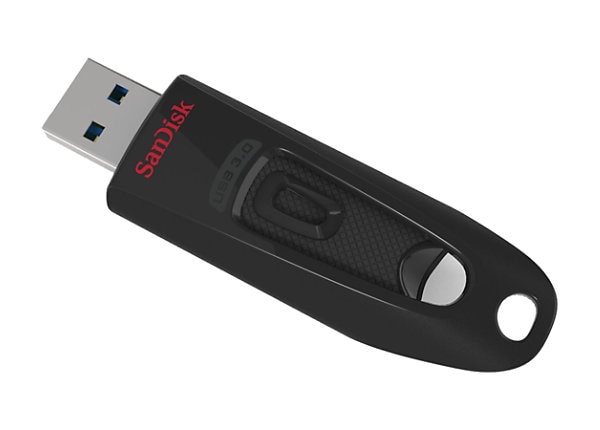
The Hidden Benefits of USB: How This Simple Connector Transforms Your Devices
USB, or Universal Serial Bus, is a ubiquitous technology that has revolutionized the way we connect and power our devices. While many users appreciate USB for its convenience in charging smartphones and transferring data, the hidden benefits of this simple connector are often overlooked. For instance, the deployment of USB interfaces has significantly reduced the number of cables needed for various devices. With the standardization of USB connections, users can now utilize a single type of cable for multiple devices, simplifying their tech experiences and minimizing clutter.
Moreover, USB technology has evolved into various formats, such as USB-C, which not only supports faster data transfer rates but also allows for power delivery capabilities up to 100 watts. This versatility means that users can charge laptops, tablets, and even some appliances using the same port. Additionally, the ability to connect USB hubs expands the functionality of devices, enabling seamless connectivity between various peripherals like keyboards, mice, and external hard drives. As a result, the impact of USB on our daily tech interactions cannot be understated, making it an essential aspect of modern digital life.
Counter-Strike is a highly popular tactical first-person shooter that has captivated gamers since its inception. Players engage in intense team-based matches where they can take on the roles of either terrorists or counter-terrorists, strategizing to complete objectives. For those looking to power their gaming setups efficiently, exploring the Top 10 charging stations can be beneficial.
USB Speed Demystified: Understanding Different Types and Their Uses
Universal Serial Bus (USB) technology has evolved significantly since its inception, leading to various types that cater to different needs and functionalities. Understanding the USB speed categories is crucial for selecting the right type for your devices. Generally, there are several standard types, each capable of varying data transfer rates. From USB 1.1, which offers a speed of 12 Mbps, to the much faster USB 3.2 that can reach up to 20 Gbps, knowing these specifications will help users maximize their device performance.
In addition to speed, USB types also refer to the physical connectors and their intended uses. The most common formats include USB Type-A, which is typically found on computers and hosts; USB Type-B, popular for printers and other peripherals; and USB Type-C, which is rapidly becoming the standard due to its reversible design and ability to transport video and power alongside data. When choosing a USB cable or device, it's essential to consider both the connector type and the speed requirements of your applications to ensure optimal performance.
Top 5 USB Gadgets You Didn't Know You Needed for Everyday Life
In today's tech-savvy world, USB gadgets have transformed the way we interact with our devices, making everyday tasks easier and more efficient. Here are the top 5 USB gadgets you didn't know you needed in your life:
- USB Mini Desk Fan - Stay cool while you work with a compact, portable fan that connects directly to your computer's USB port.
- USB-Powered Coffee Mug Warmer - Enjoy your coffee at the perfect temperature with a USB mug warmer that keeps your drink hot all day.
- USB Rechargeable Batteries - Save money and reduce waste with rechargeable batteries that can be powered up through any USB port.
- USB LED Strip Lights - Add mood lighting to your workspace with colorful LED strips that plug right into your computer.
- USB Vaccuum Cleaner - Keep your workspace clean and free of crumbs with a tiny USB-powered vacuum that efficiently tackles the mess.