Understanding On-Chain Settlement: From Smart Contracts to Instant Payouts (And Why You're Not Waiting Anymore)
At the heart of on-chain settlement lies the power of smart contracts. These self-executing agreements, encoded on a blockchain, automate the entire settlement process. Imagine a traditional financial transaction: multiple intermediaries, days of waiting for funds to clear, and the ever-present risk of human error. On-chain settlement eliminates this cumbersome dance. Once the predefined conditions within the smart contract are met – perhaps a digital asset delivered, or a service confirmed – the funds are automatically and immutably transferred. This isn't just about speed; it's about unparalleled transparency and security. Every step is recorded on a distributed ledger, accessible to all participants, significantly reducing disputes and the need for costly reconciliation processes.
The most tangible benefit of this technological leap is the advent of instant payouts. Gone are the days of protracted waiting periods for funds to settle, a common frustration in traditional finance. For businesses, this means improved cash flow and operational efficiency. For individuals, it translates to immediate access to their funds, whether it's receiving payment for goods sold, dividends from investments, or even compensation for gig work. This real-time finality is transformative, enabling new business models and fostering a more dynamic, liquid financial ecosystem. The ability to confirm and finalize transactions in moments, rather than days, is a cornerstone of the burgeoning decentralized finance (DeFi) landscape, and a key reason why you're no longer waiting for your money to move.
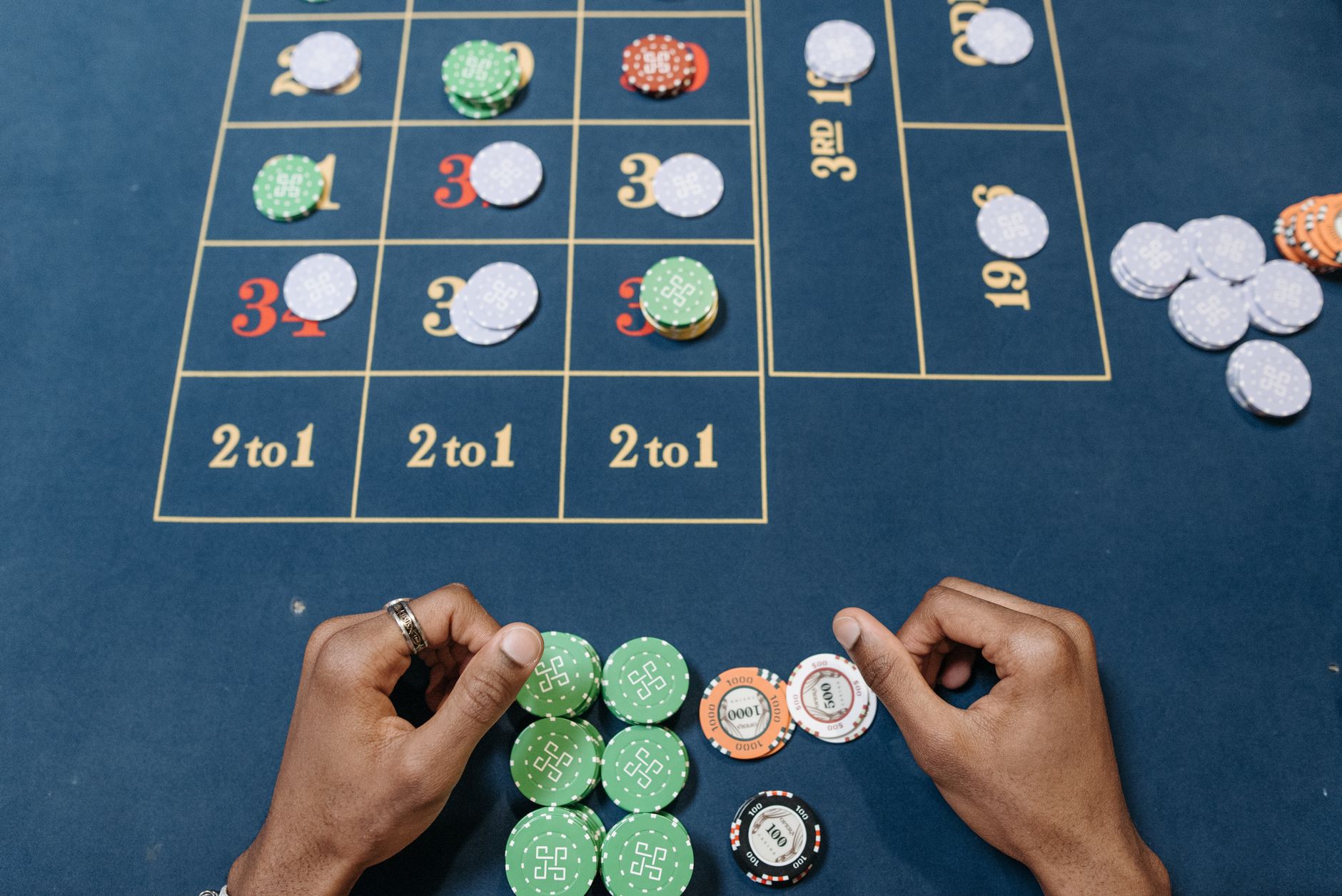
Decentralized betting offers a revolutionary approach to wagering, removing the need for traditional intermediaries and operating on blockchain technology. This allows for increased transparency, reduced fees, and enhanced security for users. You can explore the exciting world of decentralized betting where smart contracts automate payouts and ensure fair play for all participants, fostering a more trustworthy and efficient gambling ecosystem.
Practical Steps & FAQs: Setting Up Your Decentralized Payouts and What to Expect When You Go On-Chain
Transitioning to decentralized payouts might seem daunting, but it's a remarkably straightforward process once you understand the core components. Your first step involves choosing a suitable blockchain and a compatible cryptocurrency. Consider factors like transaction fees, speed, and the overall ecosystem's stability. Next, you'll need to set up a non-custodial cryptocurrency wallet – this is your personal bank account on the blockchain, giving you complete control over your funds. Popular options include MetaMask for EVM-compatible chains or Phantom for Solana. Once your wallet is ready, you'll typically configure your payout preferences within the platform you're using, specifying your wallet address and the desired cryptocurrency. Always double-check your wallet address; transactions on the blockchain are irreversible!
As you embark on your on-chain payout journey, several common questions and expectations arise. One frequent query is about transaction fees (gas fees). These are small payments made to network validators for processing your transaction, and they can fluctuate based on network congestion. You'll also notice that payouts are often near-instantaneous once confirmed on the blockchain, offering a significant speed advantage over traditional banking.
"The beauty of decentralized payouts lies in their transparency and immutability. Every transaction is recorded on a public ledger, fostering trust and reducing disputes."Finally, be prepared for a learning curve regarding blockchain basics, but rest assured, the benefits of enhanced security, global accessibility, and reduced intermediaries often far outweigh the initial effort.