From Humble Beginnings: How Does Abu Dhabi's Grass Stay Green and What Can Your Lawn Learn?
Abu Dhabi, a city carved from the desert, presents a remarkable paradox: its vibrant, verdant landscapes. How do they achieve this seemingly impossible feat, maintaining lush green grass in such an arid environment? The answer lies in a sophisticated blend of innovative technology and meticulous horticultural practices. At its core is desalination, transforming seawater into potable water suitable for irrigation. This precious resource is then delivered through highly efficient systems, primarily
- drip irrigation: minimizing evaporation and delivering water directly to the roots, and
- subsurface irrigation: burying pipes to further reduce water loss and ensure even distribution.
So, what valuable lessons can homeowners – and indeed, businesses – learn from Abu Dhabi's extraordinary efforts to maintain its greenery? The key takeaway is the paramount importance of water efficiency. While desalination might not be a practical solution for most domestic lawns, the principles of smart irrigation are universally applicable. Consider investing in a smart irrigation controller that adjusts watering schedules based on local weather conditions and soil moisture levels. Regularly check your sprinkler system for leaks or misaligned heads that can waste significant amounts of water. Furthermore, embracing drought-tolerant turfgrass varieties and native plants can dramatically reduce your lawn's water requirements.
"Every drop counts, especially in an era of increasing environmental awareness,"and Abu Dhabi serves as a powerful testament to what can be achieved with thoughtful planning and a commitment to sustainable practices. By adopting these strategies, you can cultivate a beautiful, healthy lawn while significantly reducing your environmental footprint and water bill.
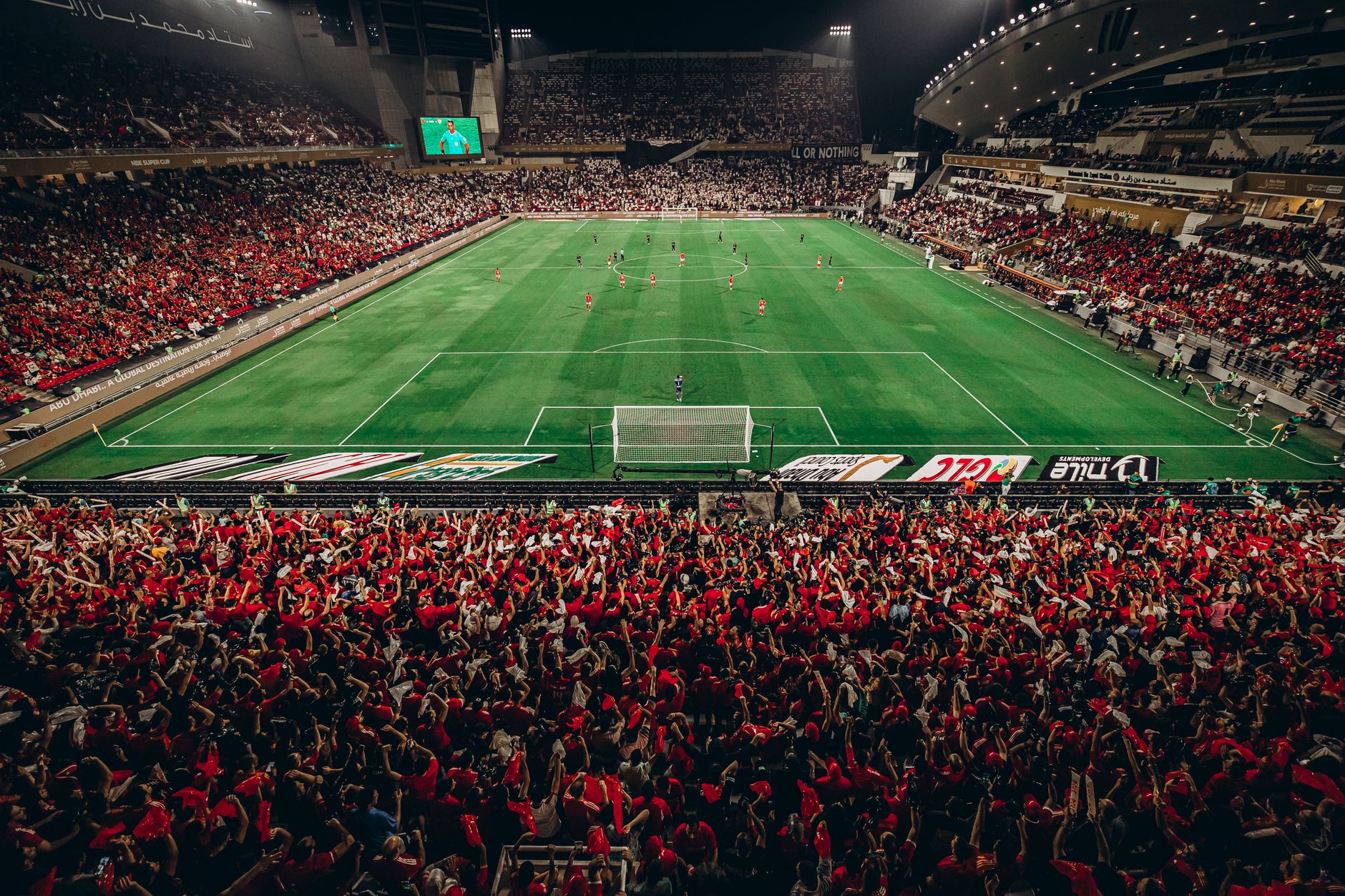
The UAE national football team, also known as Al Abyad (The Whites), represents the United Arab Emirates in international football. They have participated in the AFC Asian Cup multiple times, achieving their best result as runners-up in 1996. The team continues to strive for success on both regional and international stages, aiming to qualify for the FIFA World Cup.
Beyond Borders: Can the UAE Qualify for the World Cup and What Does it Take to Develop Elite Talent?
The aspiration for the UAE to qualify for the FIFA World Cup extends far beyond a simple sporting ambition; it's a national project demanding a multi-faceted approach to developing elite talent from the grassroots up. While significant investment has been poured into academies and infrastructure, the challenge lies in creating a sustainable pipeline of players capable of competing at the highest international levels. This requires a fundamental shift in philosophy, moving beyond importing established foreign talent and focusing on nurturing homegrown potential. Key considerations include enhancing coaching education, implementing age-appropriate training methodologies that prioritize technical proficiency and tactical intelligence, and fostering a competitive domestic league that truly challenges and develops players. Furthermore, exposure to international competition at youth levels is crucial for building resilience and experience.
Developing elite talent in the UAE isn't just about what happens on the pitch; it encompasses a holistic approach that addresses physical, mental, and nutritional aspects. A critical component involves data-driven player analysis to identify strengths, weaknesses, and areas for improvement, allowing for personalized development plans. Furthermore, creating a culture of professionalism and discipline from a young age is paramount. This means instilling values of hard work, dedication, and teamwork, alongside providing access to sports psychologists and nutritionists. The pathway to the World Cup is long and arduous, requiring not just exceptional individual talent but a cohesive national strategy that supports players at every stage of their development, from their first kick of a ball to their potential debut on the world stage.