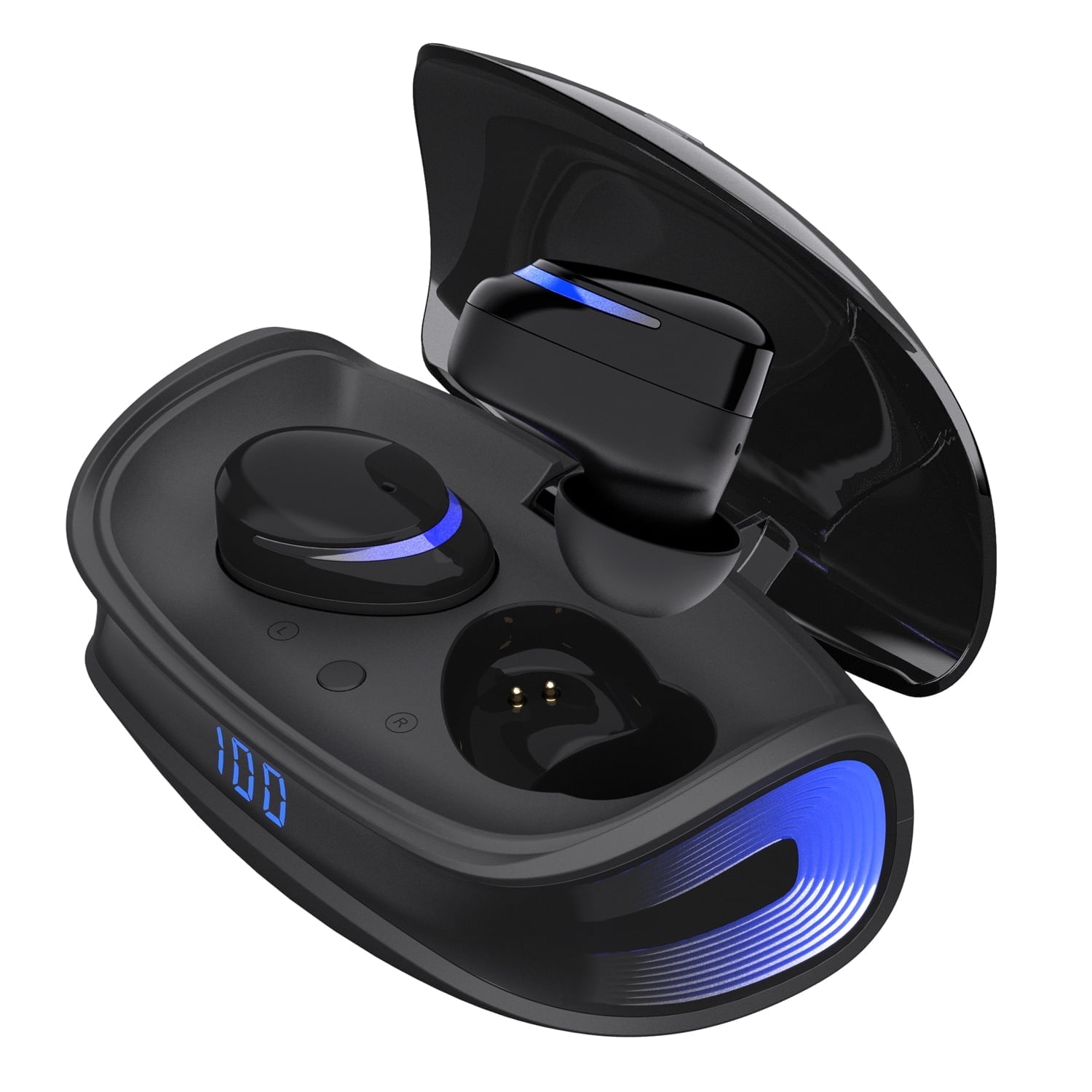
The Evolution of Earbuds: How Tiny Technology Transformed Listening
The journey of earbuds has been nothing short of revolutionary, transitioning from clunky, wired models into the sleek, wireless devices we rely on today. In the early days of personal audio, headphones were cumbersome and mainly designed for stationary use with bulky cassette players and later, portable CD players. As technology advanced, manufacturers began to focus on creating smaller, lightweight designs that would enhance portability and comfort. The introduction of features like noise cancellation and sound isolation paved the way for a new listening experience that catered to the demands of an on-the-go lifestyle.
With the advent of Bluetooth technology, earbuds became truly wireless, marking a significant milestone in audio accessibility. This shift empowered users to enjoy music, podcasts, and calls without the hassle of tangled wires. Today, many models are equipped with smart features such as touch controls, voice assistants, and even fitness tracking capabilities, showcasing how tiny technology has dramatically transformed the way we listen. As we look towards the future, innovations like improved battery life and advanced sound quality will continue to evolve, further enhancing the way we experience audio on a daily basis.
Counter-Strike is a popular tactical first-person shooter game that pits teams of terrorists against counter-terrorists in various objective-based scenarios. One of the keys to achieving success in the game is having the right gear, including quality audio equipment. For players looking for an edge, you might want to check out the Top 10 Earbuds with Long Battery Life to enhance your gaming experience.
Choosing the Right Earbuds for Every Lifestyle: A Comprehensive Guide
Choosing the right earbuds for your lifestyle can significantly enhance your listening experience. With so many options available, it’s essential to consider factors such as comfort, sound quality, and durability. For active individuals, wireless earbuds with a secure fit and sweat resistance are ideal, while those who prioritize audio fidelity may prefer high-end wired options. When making your decision, think about how you plan to use your earbuds: Are you commuting, working out, or relaxing at home?
Here are some important considerations when selecting earbuds:
- Purpose: Identify whether you need them for workouts, casual listening, or professional use.
- Battery Life: For wireless models, a longer battery life is crucial for uninterrupted enjoyment.
- Comfort: Look for options with multiple ear tip sizes for a customized fit.
- Noise Cancellation: If you often find yourself in noisy environments, consider models that offer effective noise isolation.
Ultimately, the perfect pair of earbuds should align with your unique lifestyle and preferences.
Do Wireless Earbuds Compromise Sound Quality? Debunking the Myths
When it comes to wireless earbuds, there is a common perception that they sacrifice sound quality for convenience. However, advances in technology have significantly changed this narrative. Modern wireless earbuds utilize Bluetooth codecs like aptX and AAC, which provide high-fidelity audio streaming. These codecs ensure that the playback quality is closer to that of traditional wired headphones. In fact, many audiophiles have found that certain high-end models of wireless earbuds can deliver sound quality that rivals, or even surpasses, their wired counterparts.
Additionally, the idea that wireless earbuds are fundamentally inferior is misleading. The perception of lower sound quality often stems from poorly designed products rather than the technology itself. Brands such as Apple, Bose, and Sony have invested heavily in research and development to create stellar sound profiles for their wireless offerings. To truly appreciate what wireless earbuds can achieve, one must look beyond the myths and consider the advancements made in audio engineering, noise cancellation, and overall ergonomic design that contribute to an exceptional listening experience.