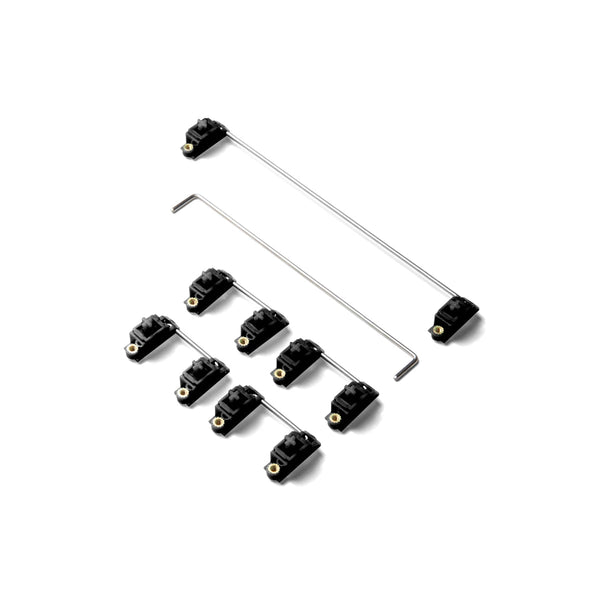
What Are Stabilizers and How Do They Enhance Stability?
Stabilizers are essential components in various industries, designed to enhance the stability of products and processes. They are often used in fields such as food production, pharmaceuticals, and manufacturing to maintain the desired consistency and quality. For instance, in food processing, stabilizers like gums and emulsifiers help prevent separation and maintain texture, ensuring that products remain appealing to consumers. Their role can be further categorized into two main types: physical stabilizers, which improve mechanical stability, and chemical stabilizers, which provide long-term preservation and protection against environmental factors.
By effectively reducing the likelihood of instability during transportation and storage, stabilizers play a pivotal role in enhancing product reliability. In addition to improving shelf life, these additives can also contribute to the safety of products, minimizing the risk of contaminants that may arise from instability. For companies looking to ensure high-quality offerings, investing in appropriate stabilizers is crucial. The adoption of stabilizers not only boosts product performance but also enhances consumer trust and satisfaction, creating a win-win situation for manufacturers and customers alike.
Counter-Strike is a highly popular tactical first-person shooter game that has captivated millions of players worldwide. Originally released as a mod for Half-Life, it has evolved into a staple of competitive gaming. Fans of the game often seek out Top 10 mobile content creation gear to enhance their streaming and gameplay experience.
The Science Behind Stabilizers: Why They Matter for Smooth Sailing
Stabilizers play a crucial role in enhancing the performance of marine vessels by providing balance and stability. Utilizing various scientific principles, these devices help counteract the forces of nature, ensuring a smoother ride even in turbulent waters. The importance of stabilizers cannot be overstated; they significantly reduce the rolling motion of a boat, which is essential for both passenger comfort and operational efficiency. Without stabilizers, vessels experience increased wear and tear, which can lead to costly repairs and maintenance over time.
There are several types of stabilizers, including active fins, gyroscopic systems, and passive bilge keels. Each method employs different technologies to achieve stability, but they all share a common goal: to minimize the impact of waves and swells on a vessel's motion. As a result, a boat equipped with well-functioning stabilizers not only offers a more enjoyable experience for its passengers but also maintains fuel efficiency, making it essential for those seeking to optimize their sailing prowess. In summary, understanding the science behind stabilizers is vital for safe, efficient, and enjoyable maritime adventures.
Common Myths About Stabilizers: Debunking Misconceptions
When it comes to stabilizers, many misconceptions cloud their true purpose and functionality. One common myth is that stabilizers are only necessary for high-performance vehicles. In reality, stabilizers play a crucial role across a wide range of applications, including everyday cars and even household appliances. They ensure stability and safety, helping to maintain control under various conditions. Ignoring the need for proper stabilization can lead to serious consequences, including accidents and equipment failure.
Another prevalent misconception is that all stabilizers are the same and provide identical benefits. This is far from the truth. There are various types of stabilizers, each designed for specific applications and environments. For example, a hydraulic stabilizer might be ideal for heavy machinery, while a suspension stabilizer is essential for enhancing ride quality in vehicles. Understanding the right type of stabilizer for your needs is crucial to maximizing performance and safety.